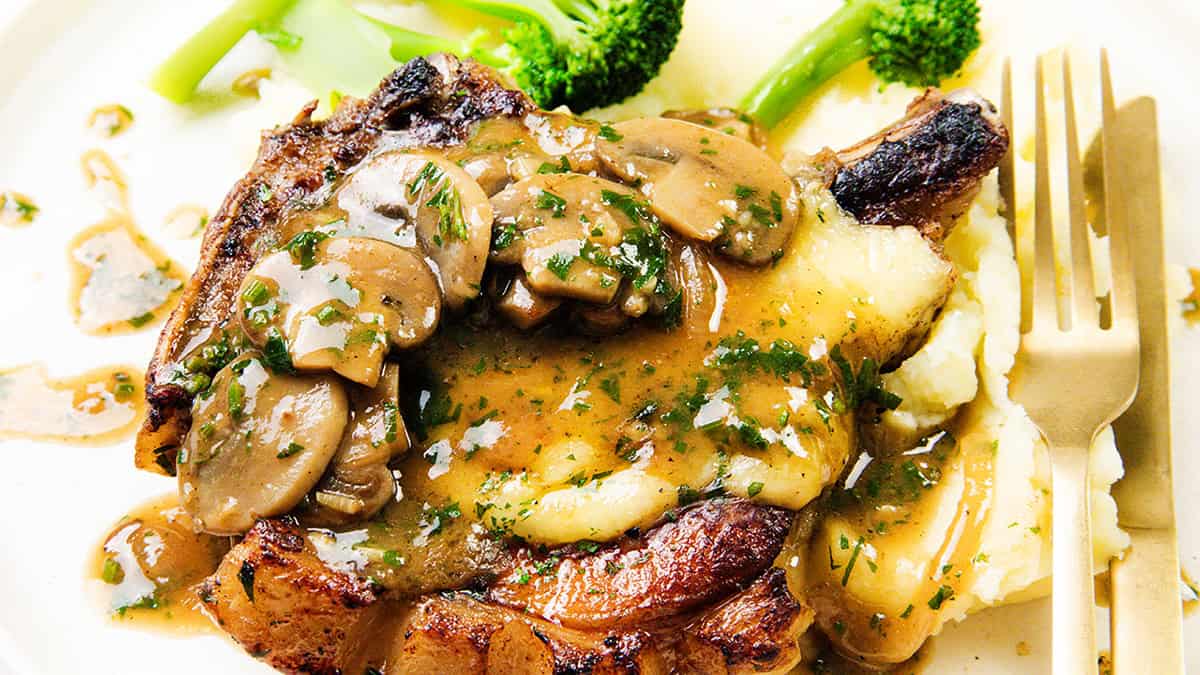
The Glossy Facade: Incredible Food Advertising Tricks Revealed
We've all been there: scrolling through social media, flipping through a magazine, or watching a commercial, and a dish appears on screen that looks utterly, impossibly perfect. A burger so juicy, a cake so towering, a bowl of cereal so pristine, it makes your mouth water and immediately sends you searching for "15 incredible recipes your family will beg you to make again 2." But have you ever wondered how these culinary masterpieces are crafted for the camera? The truth is often stranger, and significantly less edible, than fiction. Food advertising is a sophisticated art form, blending photography, styling, and a surprising array of non-food items to create the illusion of perfection. This article pulls back the curtain on the incredible tricks advertisers use to make food look irresistible, turning ordinary ingredients into visual feasts that tantalize our taste buds and wallets.
The Deception of Deliciousness: Unpacking Food Styling Secrets
The goal of food advertising is simple: make you want to eat what you see. To achieve this, food stylists and photographers employ a fascinating arsenal of techniques, turning fresh produce and cooked meals into long-lasting, visually stunning props. What looks like a steaming hot dish might be lukewarm, and that perfect scoop of ice cream? Definitely not dairy.
Let's dive into some of the most ingenious — and sometimes shocking — methods:
*
The Fruit Fakery: Shine and Sparkle Without the Sweat
Real fruit can look dull under harsh studio lights. To give apples a glossy sheen or grapes a dewy freshness, stylists often reach for household items like deodorant spray or hairspray. These quick fixes create an instant, non-perishable shine that makes fruit appear as if it's just been plucked from the vine, ready for a healthy snack or to be included in your favorite
uncover the 15 shocking secrets of food stylists.
*
Pancakes: Engine Oil for Syrup? You Bet!
Imagine a stack of golden-brown pancakes, dripping with rich, amber syrup. In a real photo shoot, actual syrup would quickly soak into the pancakes, making them look soggy and unappetizing. The solution? Engine oil. Its thick consistency and vibrant color create a stunning, permanent pour that photographs beautifully. Some stylists even use a water-repellent spray on the pancakes first, creating a protective layer that ensures no actual syrup (or oil, for that matter) truly soaks in, preserving that fresh-from-the-griddle look indefinitely.
*
Burger & Chicken Bonanza: Raw, Painted, and Puffed Up
That perfectly grilled, plump burger patty or succulent roasted chicken? It's likely barely cooked. To ensure the meat remains thick, juicy-looking, and doesn't shrink under the lights, burger patties are often almost raw, given just a quick sear for a few seconds. The rich brown color? Shoe polish. The perfect cross-hatch grill marks? Achieved with hot skewers, manually applied. Similarly, advertising chicken undergoes minimal heat treatment before being painted to achieve that golden-brown perfection. To add volume and make it appear incredibly plump, stylists might stuff it with paper towels and even sew it up discreetly. It’s all about creating an illusion of hearty, home-cooked goodness.
*
Seafood's Freshness Factor: A Glycerol Glow
Seafood loses its vibrant, fresh appearance remarkably quickly. To maintain that glistening, just-caught look, prawns, fish, and other aquatic delights are often treated with a mixture of water and glycerol. This simple solution helps them retain their sheen and juicy presentation, defying the rapid drying and dulling effect of air and light.
*
Noodle Nudges: The Glucose Glaze
While cooking noodles takes only minutes, they dry out quickly, becoming clumpy and unappealing. For the camera, advertisers coat noodles with glucose syrup, a common ingredient in desserts. This keeps them looking moist, perfectly separated, and provides an appealing, slightly glossy texture that screams "freshly prepared."
*
Structural Integrity: The Cardboard & Toothpick Method
Ever marvel at the perfect height and distinct layers of a slice of cake or a towering sandwich? Cardboard and toothpicks are the unsung heroes of food architecture. Cardboard layers prevent cakes from sagging and keep sandwich ingredients perfectly separated, while toothpicks provide internal support, ensuring everything stays in place for that flawless shot.
*
Beverage Baffles: Suds and Sparkles
A refreshing glass of milk, a perfectly frothed coffee, or a frosty beer with a robust head of foam. Real foam can be fleeting. For a stable, appealing head, liquid soap is often added to milk, coffee, or beer. This creates a lasting, natural-looking foam that won't dissipate under studio lights. For fizzy drinks, the bubbles of carbon dioxide quickly vanish. To bring them back to life for the camera, heartburn antacids are added. The resulting chemical reaction creates a fresh burst of effervescence, making the drink appear perfectly carbonated and thirst-quenching.
*
The Cold, Hard (Fake) Truth About Ice Cream and Whipped Cream
Ice cream is notoriously difficult to photograph; it melts almost instantly under hot studio lights. The solution? Replace it entirely! Photographers use colored mashed potatoes or a meticulously crafted paste of starch, icing sugar, corn syrup, fat, and other components to simulate ice cream. These alternatives hold their shape, can be perfectly scooped, and withstand the heat. Similarly, real whipped cream quickly deflates. Shaving cream, on the other hand, is remarkably stable and looks identical, providing that perfect, fluffy topping without the melt. Even ice cubes in soft drinks are often plastic replicas, ensuring they remain perfectly clear and unmelted throughout a long shoot.
*
Steaming Hot: The Illusion of Warmth
A waft of steam rising from a dish immediately communicates warmth, freshness, and deliciousness. But the food in these ads is rarely hot. Beyond digital manipulation with Photoshop, stylists have several clever tricks: a steamer passed over the food a few times, moist cotton balls heated in a microwave and strategically placed behind or within the dish, or even specialized devices designed to simulate steam. These methods create those alluring wisps of vapor that make the dish appear irresistibly hot and ready to eat.
*
Sauce Consistency: Waxing Lyrical
Sauces can be tricky; they can separate, look watery, or have an inconsistent texture. To achieve the perfect, vibrant color and rich, uniform consistency, melted wax of various colors is sometimes added. This ensures the sauce looks perfectly emulsified and appetizing for its close-up.
Beyond the Hype: Crafting Real Meals Your Family Will Love
While these advertising tricks are undeniably clever, they highlight a fundamental difference between the idealized images we see and the genuine joy of cooking and sharing a meal. The goal of food advertising is to inspire desire, often for a specific product. But the true satisfaction comes from preparing and enjoying real food, made with real ingredients.
For those looking to create delightful meals that truly satisfy, without the need for shoe polish or engine oil, the focus shifts to flavor, quality ingredients, and simple presentation. If you're on the hunt for "15 incredible recipes your family will beg you to make again 2," consider focusing on tried-and-true favorites that deliver on taste and comfort. Many families, for instance, find universal appeal in dishes featuring pantry staples like peanut butter. It’s a mandatory staple in many homes, loved in breakfast smoothies, lunches, after-school snacks, and desserts. For inspiration, explore resources like
+ Peanut Butter Recipes Your Family Will Beg For, which offer genuinely delicious and achievable dishes. While a definitive list of "15 incredible recipes your family will beg you to make again 2" wasn't directly available in our primary sources, the techniques discussed above certainly aim to *inspire* that desire for delicious, memorable meals that you *can* truly create.
Becoming a Savvy Consumer: What You Need to Know
Understanding these food advertising tricks doesn't have to diminish your enjoyment of food; rather, it can make you a more informed and appreciative consumer.
Here are some tips to navigate the world of food advertising:
1. **Appreciate the Art, Not Just the Food:** Recognize that food photography is a highly skilled craft. Admire the artistry and creativity involved in styling, but remember that the image is an idealized representation, not necessarily an accurate depiction of the product's real-world appearance or taste.
2. **Focus on Flavor and Quality:** When choosing products or looking for new recipes, prioritize ingredients, nutritional value, and reviews from real people over the glossy perfection of an advertisement.
3. **Embrace Imperfection in Your Own Kitchen:** Your home-cooked meals won't look like they came from a magazine, and that's perfectly fine! The slight imperfections – a sauce that isn't perfectly consistent, or a burger that shrinks a little – are part of the authenticity and charm of real food.
4. **Read the Fine Print:** Look for disclaimers in advertisements. Sometimes, even ads hint that "product may not appear exactly as shown."
In conclusion, the world of food advertising is a fascinating blend of creativity and cunning, designed to awaken our appetites and inspire us to seek out delicious experiences. From the simple shine of hairspray on fruit to the elaborate construction of a fake ice cream sundae, these incredible tricks reveal the lengths advertisers go to present food in its most appealing light. While these visuals might initially send us searching for "15 incredible recipes your family will beg you to make again 2," understanding the illusion helps us appreciate the genuine satisfaction found in preparing and enjoying real food. The next time you see a picture-perfect meal in an ad, remember the magic behind the lens, and then go create your own delicious, authentic culinary masterpieces.