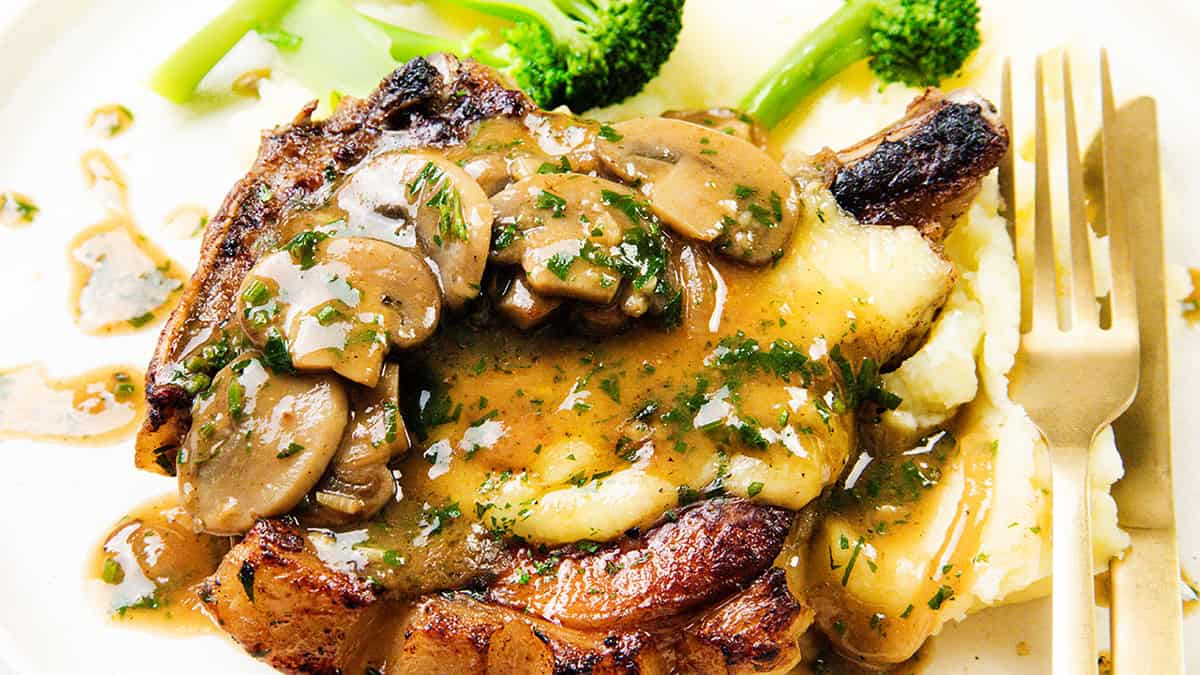
Have you ever scrolled through social media, flipped through a magazine, or watched a commercial and found yourself utterly captivated by a dish that looked impossibly perfect? A glistening burger, a stack of fluffy pancakes with syrup that never soaks in, or an ice cream sundae that defies gravity and heat? It’s not magic, it’s the meticulous, often shocking, work of food stylists and photographers. These culinary illusionists employ a myriad of clever tricks to transform ordinary ingredients into visual masterpieces that look so good, you’d swear they were the kind of incredible recipes your family will beg to make again. Prepare to have your perception of picture-perfect food forever altered as we uncover the 15 most surprising secrets behind the lens.
The Art of Illusion: Why Food Styling Matters
In the highly visual world of advertising, media, and even personal branding, presentation is everything. Food doesn't just need to taste good; it needs to *look* good. The goal of a food stylist is to make dishes appear as appetizing, fresh, and desirable as possible for the camera. This often means sacrificing edibility for aesthetics. Real food, under hot studio lights, often wilts, melts, sags, or discolors too quickly to be photographed effectively. The camera also exaggerates imperfections, demanding a level of flawlessness that natural food rarely possesses. Thus, stylists must become masters of deception, using a toolkit of non-food items and ingenious methods to create a fleeting moment of visual perfection that can be captured forever.
Unveiling the 15 Shocking Secrets of Food Stylists
From the perfectly placed garnish to the shimmering surface, every detail in a food advertisement is carefully orchestrated. Here are some of the most unbelievable methods stylists use to make food look its absolute best:
- The Glistening Fruit Trick: Ever wondered why fruit in ads looks so incredibly shiny? It's often not natural ripeness. Food stylists commonly use deodorant spray or even hairspray to give fruit an unnatural, almost lacquered sheen that catches the light perfectly. This instantly elevates its perceived freshness and appeal.
- Pancakes and the Perilous Syrup: Real pancakes absorb syrup far too quickly, turning into a soggy mess before the camera can even focus. The secret? Engine oil. Yes, that thick, viscous liquid is often used in place of maple syrup because it doesn't soak in, creating those iconic, glossy drips that never disappear. For added protection, some stylists also coat pancakes with a water-repellent spray.
- The "Rare" Burger Patty: Those juicy, plump burger patties in advertisements are rarely fully cooked. To maintain their size and internal moisture, they are often cooked for only a few seconds on each side, leaving them almost raw inside. To achieve those perfect grill marks, stylists use hot metal skewers to sear lines onto the barely-cooked meat, and then often enhance the color with shoe polish or other dyes.
- Forever Fresh Seafood: Seafood loses its vibrant appearance very quickly once caught. To keep shrimp, fish, and other aquatic delights looking fresh and succulent under studio lights, they are frequently treated with a mixture of water and glycerol, which prevents drying and maintains a moist, appealing look.
- Noodles That Never Dry: While noodles cook in minutes, they dry out just as fast, losing their appetizing sheen. To ensure they remain perfectly pliable and glistening for the camera, stylists coat them with glucose syrup, a common ingredient in desserts, which gives them a moist, freshly-cooked appearance.
- The Stacked Cake Illusion: How do cakes, sandwiches, and burgers maintain such perfect height and structure without collapsing? Stylists cunningly interlay layers with pieces of cardboard and secure them with toothpicks. This provides internal support, creating impressive, stable towers that would otherwise be impossible to photograph.
- The Stable Foam Factor: The rich, inviting foam on top of a coffee, a beer, or even milk can be notoriously fleeting. To create a stable, natural-looking foam that lasts for the shoot, stylists simply add a bit of liquid soap to the beverage.
- Ice Cream's Indestructible Double: Real ice cream is the bane of food photographers – it melts instantly under hot studio lights. The solution is to replace it entirely with a substitute. Common stand-ins include colored mashed potatoes or a custom-made paste concocted from starch, icing sugar, corn syrup, fat, and other components that can be sculpted into perfect scoops.
- Whipped Cream's Shaving Cream Secret: Similar to ice cream, real whipped cream loses its peaks and melts too quickly. Food stylists opt for shaving cream, which holds its shape indefinitely, creating those flawless, airy swirls that look utterly delicious. (Actors are usually reminded not to take a bite!)
- Plastic Perfection for Ice Cubes: The pristine, crystal-clear ice cubes in drinks are almost always plastic fakes. Real ice melts too rapidly, creating condensation and diluting the drink, which is problematic for long photo sessions. These plastic cubes maintain their form and clarity throughout the shoot.
- Cereal That Stays Afloat: If you've ever tried to photograph cereal in milk, you know it quickly becomes soggy and sinks to the bottom. To keep cereal looking crisp and perfectly arranged on the surface, stylists replace the milk with white glue. The glue prevents the cereal from absorbing liquid and keeps it floating appealingly.
- The Endless Effervescence: The delightful bubbles in carbonated soft drinks vanish quickly. To revive them and create a continuous stream of fizz for the camera, stylists add heartburn antacids. The chemical reaction between the antacids and the sparkling water generates a fresh burst of bubbles.
- The Artificially Plump Chicken: Chicken in advertising rarely sees a grill. It's often subjected to minimal heat treatment, then meticulously painted to achieve a golden-brown hue. To give it an appealing plumpness and volume, stylists frequently stuff it with paper towels and discreetly sew it closed.
- Sauces with Perfect Consistency: Achieving the ideal texture and color for sauces can be tricky. Stylists often resort to adding melted wax of different colors to sauces. This allows them to control the consistency, shine, and hue, ensuring it looks perfectly appetizing and doesn't run or separate.
- The Illusion of Steaming Hot Food: That enticing steam rising from a dish in an advertisement is almost never from actual hot food. Beyond Photoshop, stylists have several ingenious methods: they might pass a steamer over the food, place microwaved, moistened cotton balls discreetly inside or behind the dish, or use a special device designed to simulate steam.
Beyond the Lens: Practical Takeaways for Home Cooks
While food stylists employ extreme, often inedible, methods, their dedication to visual appeal offers valuable insights for home cooks. You might not be stuffing your chicken with paper towels, but understanding what makes food look appealing can elevate your own culinary creations. Focus on:
- Freshness is Key: Use the freshest ingredients available. Vibrant colors and textures naturally make food more appealing.
- Thoughtful Plating: Arrange your food with care. Think about color contrast, height, and negative space on the plate. A simple garnish, like fresh herbs or a sprinkle of spice, can make a huge difference.
- Good Lighting: When photographing your own food, use natural light whenever possible. It's usually the most flattering.
- Don't Overcook: For real food, avoid overcooking vegetables or meats, as this can dull colors and textures. Aim for vibrant, tender results.
- Mind the Details: A clean plate, a small drizzle of sauce, or a sprinkle of fresh ingredients can turn an ordinary meal into something special.
While you won't be using engine oil for your syrup, understanding the desire for visually appealing food can help you craft truly incredible recipes your family will beg to make again – ones that are both delicious and beautiful.
The world of food styling is a fascinating blend of art and science, dedicated to creating visual perfection that often exists only for a moment. These incredible food advertising tricks revealed highlight the lengths to which professionals go to capture our attention. So next time you see a dish that looks almost too good to be true, remember the clever illusions at play. It's a testament to the power of presentation, reminding us that while our eyes can certainly be tricked, there's nothing quite like the genuine taste of a truly delicious, home-cooked meal.
